June 2014

Asparagus Potato Chowder for a Mid-summer Dinner

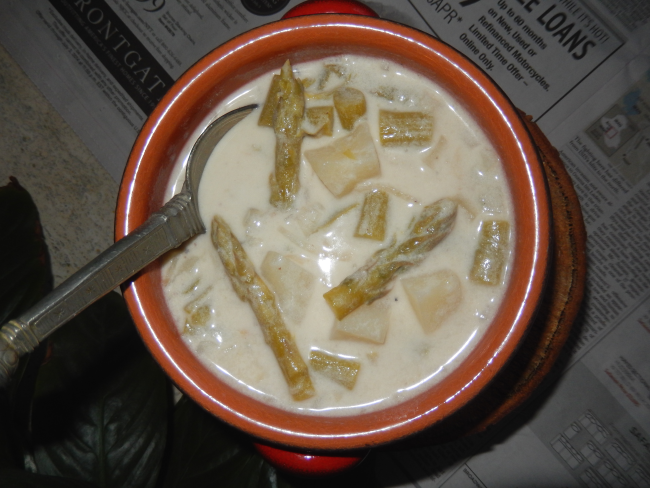
A friend of mine is planning a trip to New England over the July 4th weekend, and asked me for some pointers, as I had been there three years back, during the same weekend. While talking to him, one memory that kept coming up again and again was of the awesome clam chowder I had at Bailey Island! It was not at all thick – in fact, quite watery! – but the flavour in it! Each spoonful served only to increase the greed for more… and wiping up a huge bowl was a few minutes’ job. Since, I have experimented with various combinations of milk and cream, and by now I believe I have the perfect recipe for a thin yet flavourful chowder.

APC-ready1

And what is best, this chowder tastes equally good when made as a vegetarian option. I’m not even sure which version I prefer… the veggie version or the original clam one.

The only condition for a good chowder is that you should not mention the words ‘corn starch’ or ‘corn flour’ at all. Let alone say the words, you should not even think of them. Or any other thickening agent. The consistency has to be managed with milk, cream and cheese. And it is not difficult at all.
APC-ready2

Feelings run strong among the fans of the different varieties of chowder. The original stuff known as New England chowder has potatoes and onions and clam, fish or corn as the main ingredients. Whereas the Manhattan chowder, its nearest rival has tomatoes in it! The true aficionados view this version with horror. In fact, in 1939, a bill was introduced in the Maine legislature making tomatoes in clam chowder illegal! 🙂
Also, there are varieties locally popularised in the names of most of the north eat states like Rhode Island, New Jersey and Delaware. And in San Francisco, it is common practice to serve chowders in a sour dough bread bowl.
So yesterday, I decided make an asparagus potato chowder. And it turned out sooo good! Isn’t it true that mascarpone cheese and heavy cream can do wonders to a dish? And I also mash some of the potato pieces to give the dish a bit of thickness without any stickiness.

APC-ingredients

And I use the bottom woody part of the asparagus to make a broth that adds to the lovely flavours of the dish.

APC-broth-ingredients2

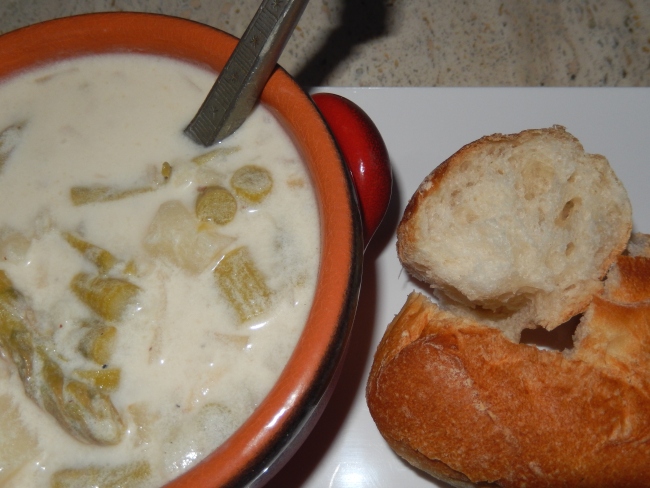
Though traditionally chowders are served with oyster crackers, I prefer to pair it with some fresh bread as it serves as the main meal for me.
APC-ready3

Next time I make a chowder, I’m going to be a bit more experimental, adding some celery and green peas and carrots to the mix. Though not a big fan of cooked carrots, I think the added colour could be good. Maybe just a little bit…


~Ria


Asparagus Potato Chowder for a Mid-summer Dinner
 
Author: 
Recipe type: Lunch
Ingredients
  • 1 lb asparagus
  • 1 large potato
  • 2 onions
  • 2 cloves garlic
  • 1 tsp grainy mustard
  • 2 tbsp unsalted butter
  • ½ cup dry white wine
  • 4 oz mascarpone cheese
  • ½ cup heavy cream
  • Salt and black pepper to taste
Directions
  1. To make the broth, cut one onion into thick wedges.
  2. Break off the woody hard bottom part of the asparagus and place in a pan along with the onion wedges.
  3. Pour six cups of water in the pan, and bring to a boil.
  4. Simmer for 30 minutes. Pass the broth through a fine sieve and keep aside.
  5. Cut the asparagus into 1 inch pieces.
  6. Peel and cut the potato into ½ inch cubes.
  7. Chop the remaining onion into small pieces.
  8. Mince the garlic.
  9. Heat a saucepan and add the butter.
  10. Add the chopped onion and fry till the ends begin to brown.
  11. Add the garlic and mustard and fry for a minute.
  12. Add the white wine and stir till most of it has evaporated.
  13. Pour the broth into the saucepan. Drop in the potato cubes.
  14. Add salt and black pepper to taste.
  15. Bring to a boil and simmer to cook covered.
  16. When the potato is cooked, mix in the mascarpone cheese.
  17. Mash some of the potato pieces into the broth.
  18. Add the heavy cream and remove from the fire.
  19. Garnish with dill fronds and serve hot with fresh baked bread.

A Cool Salad with Lemon-Maple Syrup Dressing

Summer is truly here… and the mercury goes up delighting the hearts of all those who have been waiting for just that. That is exactly how the day started yesterday. But by around 10 am, it was evident that the humidity was going up and the day was turning muggy. And my plans for lunch changed suddenly to reflect that reality.

WAS-done1

Don’t get me wrong… I’m not complaining about the weather. I don’t mind at all if the weather is muggy on a weekday, when anyway I have to stay chained to my laptop. The weekends, that is what matters. And the weekends have been glorious so far! Here is hoping that they keep that trend going till the end of the season. Don’t I have a thousand plans for the rest of the summer? 🙂

WAS-wa-me1

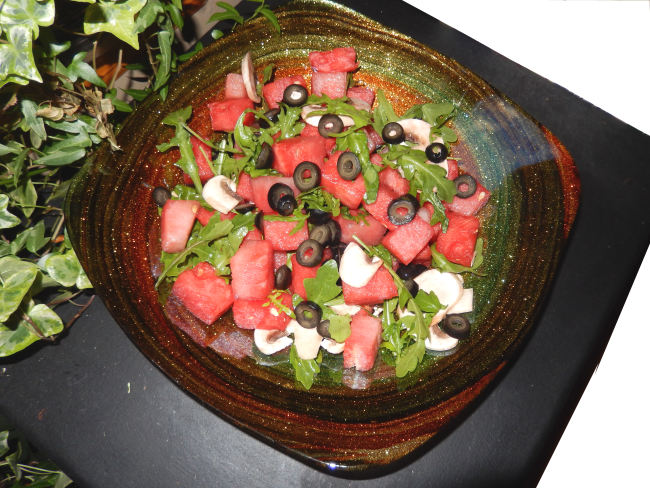
Sooo lunch… yes, a salad for lunch; I needed to make a salad for lunch. Not any salad, but a light salad, that feels like a cool breeze. At the same time, it had to have some bulk. Watermelon! One of the fruits that symbolises summer for me. Lightly sweet, taking care of hunger and thirst at the same time. Yes, that will be the base of the salad.

WAS-wa-me2

And some arugula, to counteract the sweetness of the watermelon. The slightly peppery taste of the arugula balances very well with the watermelon. Sliced black olives for an added bit of flavour and thinly sliced white mushrooms to take up the juice. Perfect combo, in flavours as well as colours!

WAS-wa-me3

For the dressing, no oil. A squeeze of lemon, of course. I was about to go with a splash of honey to cut the tanginess of the lemon juice, but then remembered I had an unopened bottle of maple syrup sitting by. It was a present from a friend from Toronto, last time she visited me. Lemon juice and a splash of maple syrup, shaken up together, worked just right!

WAS-ingredients

In case… just in case you would like a bit of heat to add to the fun, include a finely minced pickled jalapeno to the dressing. Adds a good kick, but it is strictly optional.

WAS-done2

A salad that is a feast to satisfy all your senses!


~Ria


A Cool Salad with Lemon-Maple Syrup Dressing
 
Author: 
Recipe type: Salad
Ingredients
  • 2 cups watermelon pieces
  • 1 cup arugula baby leaves
  • 12 black olives, sliced crosswise
  • 2 white mushrooms, sliced thinly
  • Juice from ½ a lemon
  • 1 tbsp maple syrup
  • 1 pickled jalapeno to add some heat, strictly optional
  • Salt to taste
Directions
  1. In a large dish, toss together watermelon pieces, arugula, sliced olives and mushrooms.
  2. Sprinkle with salt to taste.
  3. Transfer to a serving dish and chill in the refrigerator.
  4. Thoroughly shake together the lemon juice and maple syrup (and finely minced jalapeno, if using) to make the dressing.
  5. When ready to serve, pour the dressing over the salad and serve right away.

Sardines in Roasted Coconut Gravy

The phrase that comes to mind at the mention of sardines is, ‘packed like sardines’, the phrase originating from the way sardines are packed in a can. Never been a fan of canned sardines, though I have eaten some awesome pasta made with sardines from a can and a pesto sauce. Instead, I like to think of sardines as these beautiful schools of fish freely swimming in the vast oceans. Indeed, the sardines are gorgeous looking… slim and silvery, with bluish-greyish backs. And they are equally tasty – sorry, it seems very unfriendly to talk about the sardines being pretty and tasty in the same para! But then, I learned to appreciate their taste way before I learned to appreciate their beauty! 🙂

SRC-ready1

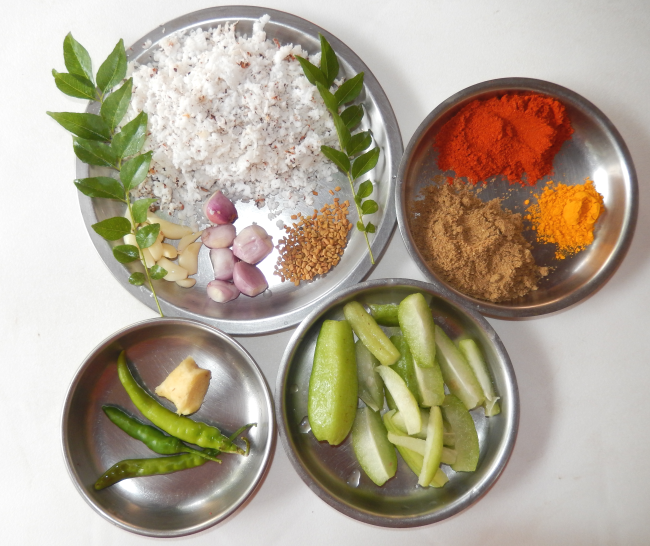
This is a curry made with sardines and roasted coconut. A staple in the state of Kerala, the spice combination can vary based on the region. This one uses fenugreek seeds as an ingredient along with the roasted coconut, which gives an extra depth to the flavours.

SRC-ingredients

Another interesting ingredient is the bilimbi, the very sour fruit, often used in place of tamarind or tomatoes to provide tanginess.

SRC-bilimbi-cut

The bilimbi fruits are a pale green colour, about two inches long, and grow abundantly in warm weather.

SRC-bilimbi

Cleaning the sardines is an art in itself… especially removing the scales, but nothing that cannot be accomplished with a bit of patience.

SRC-sardines

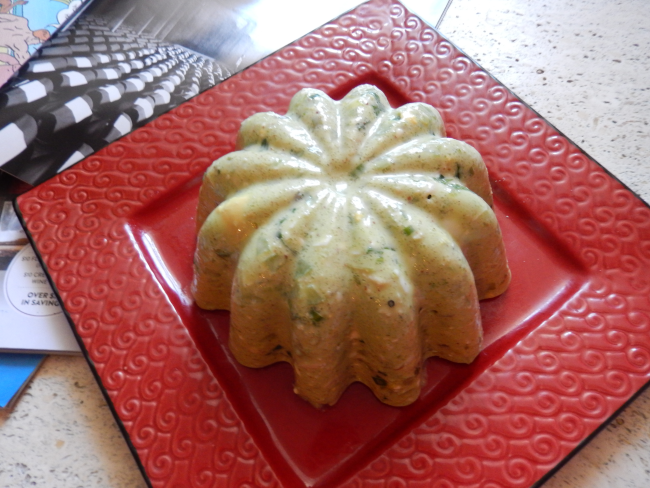
Along with the coconut, most of the other ingredients are roasted. And finely ground into a thick paste. The sardines are cooked in this paste so that the flavours thoroughly get into them.
SRC-ready2

And if you can manage to get an earthenware pan to cook this dish, nothing like it. The unique flavour imparted by the earthenware cannot be replicated any other way. Try it… 🙂

~Ria


Sardines in Roasted Coconut Gravy
 
Author: 
Recipe type: Seafood
Ingredients
  • 12 sardines, fresh
  • ½ a coconut, grated
  • 6 cloves garlic
  • 12 shallots
  • 1 tsp fenugreek seeds
  • 1 tbsp coriander powder
  • 1 tsp chilli powder
  • ½ tsp turmeric powder
  • 3 green chillies
  • ½ inch piece ginger
  • 6 to 8 bilimbi fruit
  • 1 tbsp and 1 tsp cooking oil
  • 2 sprigs curry leaves
  • Salt to taste
Directions
  1. Clean the sardines and wash thoroughly. Cut each sardine into two pieces if you like it so.
  2. Slice 6 of the shallots.
  3. Split the green chillies into two lengthwise.
  4. Cut the ginger into juliennes.
  5. Cut each bilimbi into six pieces lengthwise.
  6. Heat a largish pan, add a teaspoon of cooking oil, and when the oil is hot, add the grated coconut, garlic, 6 remaining shallots, and fenugreek seeds.
  7. Roast the till dark brown. Then add the coriander powder, chilli powder and turmeric powder and fry for another minute.
  8. Cool the roasted mixture and grind to a fine paste and place in a cooking pan.
  9. Add the sardines, green chillies, ginger and bilimbi pieces to the ground mix.
  10. Add salt to taste.
  11. Cook on a medium flame, stirring every now and then.
  12. When the sardines are done, remove from the heat. Add the springs of curry leaves.
  13. In a small frying pan, heat 1 tbsp oil.
  14. Add the sliced shallots and fry.
  15. When the shallots turn golden brown, add to the sardines along with the oil they were fried in.
  16. Mix together and enjoy with steamed rice.

Boatman’s Crab Curry

There is nothing sophisticated about this dish… It is as rustic as can be. Prepared in a hurry, with ingredients that are easily available, by people who are definitely not accomplished chefs. But boy, is it yummy! Once you have tasted it, you will never forget it, I guarantee. And of course, as can be guessed, the secret behind the goodness of this dish is the freshness of its ingredients.

BCC-ready1

The backwaters of Kerala, the small state on the south western coast of India, are well known for their natural beauty. However, something that is not so well known is the fact that the same backwaters are major channels of commerce. Boats plying on them ferry commodities and people, village to village.

To the boatmen who guide these boats through the network of waterways, the boats are their homes, especially as they are away from their villages for weeks at a time. At the end of a day, they moor their boats and settle down for the night, maybe after a visit to the shop on the banks for some daily necessities. Then it is time to prepare a quick meal in the light of the hurricane lamp. And is there anything better to cook than what can be harvested out of the water, then and there? But they have no time or patience for elaborate preparations. A chop of this, a handful of that… stir together and the boatmen’s fish or crab curry is ready… hot and spicy, enticing!
The ingredients are very basic… chopped onions, tomatoes, crushed ginger and garlic. And a bit of crushed cloves and cardamom. And a mix of coriander, chilli and turmeric powders.

BCC-spices

The only change I have made to the original recipe – picked up from watching it being made – is that it has been mellowed down a bit, by the addition of coconut milk.
And of course, the key to the awesomeness of this dish is fresh crabs… I mean, really fresh ones.

BCC-crabs

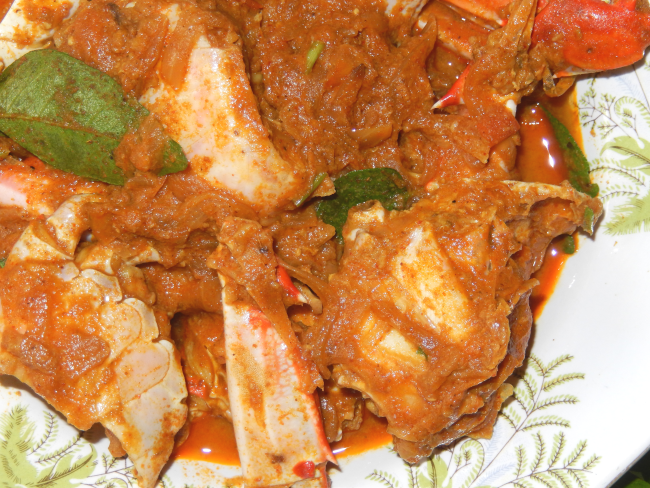
Sauté the onions, add the powdered spices, stir in the tomatoes… toss in the crab pieces and stir together.

BCC-sauted

Add the coconut milk and cook covered for 10 minutes. A sprinkle of curry leaves makes it complete.

BCC-coconut-milk

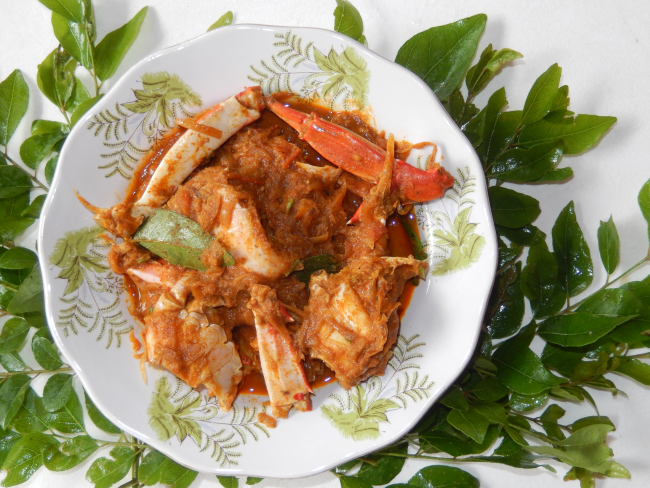
Serve with hot boiled rice and you will hear the lilting songs of the boatmen echo on the silvery waters on a still night.

BCC-ready2


~Ria

Breadfruit… the Vegetable with a Past!

BFT-done1
 
In the 18th century, the British were looking for cheap, but high energy food sources to sustain the empire’s slaves in the Caribbean. As early as 1769, they had recognized the qualities of breadfruit as a suitable crop for this purpose. Accordingly, in 1787, a British Naval expedition was sent to Tahiti on the ship HMS Bounty, to procure breadfruit saplings for planting in the Caribbean. The rest, as they say, is history.
 
The Bounty sailed from Tahiti after a stay of five months, with a thousand and fifteen breadfruit trees. Meanwhile, some of the crew members had got accustomed to the life in Tahiti and also had formed relationships with local women. They did not want to leave and mutinied. They imprisoned the captain and set him afloat in the ship’s launch, along with 18 of the crew members who were loyal to him. The mutineers sailed the Bounty back to Tahiti and further to Pitcairn Island where they remained, till many died and some were captured by the British Navy and prosecuted. The captain managed to navigate to Dutch East Indies, a trip that took 47 days, with only a quadrant and a pocket watch!
 
The incidents related to the Bounty’s expedition to procure breadfruit trees captured the world’s imagination in a big way. Several authors, including Lord Byron, Sir John Barrow, Mark Twain, Jules Verne, and Orson Wells, have written about them. A number of movies have also been made based on these incidents. One of them, Mutiny on the Bounty made in 1935, won the Oscar for Best Picture that year. Even an episode of The Simpsons was based on the mutiny!
 
Interestingly, though the trees were planted successfully in the Caribbean, the slaves refused to eat the breadfruits!

BFT-chakkas
 
I have always loved the breadfruit’s starchy potatoey consistency. And the smooth creaminess it attains when it is fully grown, but not ripened. So when I saw a plump specimen in the vegetable shop, it was an instant decision to grab it.

BFT-chakka-cut
 
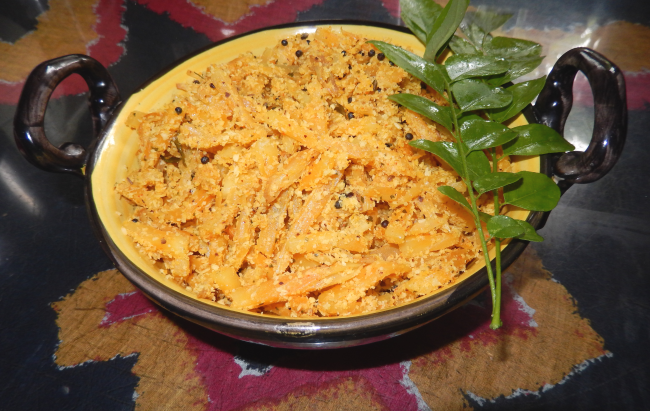
Then the question was what to do with it, especially as the breadfruit fares well in a number of preparations. I zeroed in on ‘thoran’, a coconut stir fry. This is a traditional dish of Kerala, the south western state of India.

BFT-spice
 
The breadfruit is cut into thin pieces, and then julienned into matchstick thickness. And stir fried with a basic spice mix of red chilli powder, turmeric powder and salt.

BFT-coconut-mix
 
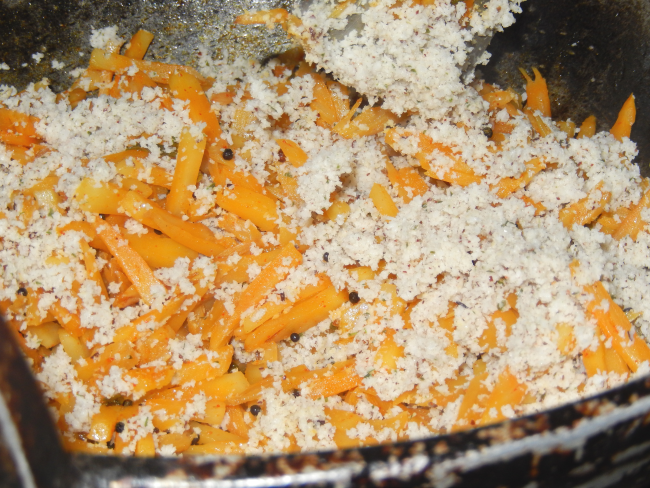
This dish gets its awesome flavour from the coconut coarsely crushed with garlic, cumin and curry leaves. And it should just be heated through after being added to the vegetable. If you cook the coconut thoroughly, the taste of the dish changes.

BFT-mixing
 
This dish can be served with a rice dish on the side. Goes especially well with yogurt rice or lemon rice.

BFT-done2
 
Also, you can make this dish with any vegetable that has a firm texture.

~Ria


Breadfruit... the Vegetable with a Past!
 
Author: 
Recipe type: Vegetarian
Ingredients
  • 1 breadfruit
  • ½ tsp chilli powder
  • ¼ tsp turmeric powder
  • 1 cup scraped coconut
  • 6 small cloves of garlic
  • ½ tsp cumin
  • 2 stalks curry leaves
  • 1 tbsp vegetable oil
  • 1 tsp mustard seeds
  • Salt to taste
Directions
  1. Cut the breadfruit into four quarters and peel the outer green skin.
  2. Cut each quarter into thin slices and cut the slices into matchstick sized juliennes.
  3. Crush together the garlic, cumin, curry leaves and coconut using the pulse function of the blender.
  4. Heat the oil in a pan.
  5. When the oil is hot, drop the mustard seeds into the pan and cover with a splatter screen.
  6. After the mustard seeds have finished spluttering, add the breadfruit pieces, chilli powder, turmeric powder and salt.
  7. Turn the heat down and cover and cook, adding a quarter cup of water if required.
  8. When done, add the crushed coconut mixture and quickly stir to combine.
  9. Immediately, remove from heat. Delicious breadfruit thoran is ready to server.

Before Cooking was a Spectator Sports…

There is nothing easier than finding a dependable recipe these days, however obscure the cuisine. Our trusted friend Google is there to wade through millions of web pages and bring up whatever we ask for. And if you are lucky, you will even find a video of someone preparing the same dish.
 
But so was not the case, just two or three short decades ago. So what about a time when you are new to a place and are expected to feed your family with whatever you could carry with you from thousands of miles away? And as that cannot last for long, you are compelled to use locally available food stuff. But you know next to nothing about the local stuff, nor is there anyone to consult.
 
That was the case of the women who emigrated from Europe to the America, the new continent, in the 17th and 18th centuries. Very often, they had to depend on cookery books carried over from the homeland. Even the first English cook books published in America were reprints of the British ones, with hardly any modifications. But as can be expected, these books failed to deal with the special needs of the American housewife.
 
It is under these circumstances that Amelia Simmons published her cook book, ‘The First American Cookbook’ in 1796, the first to be authored by an American. The book recorded for the first time changes that had occurred in cooking as well as in other spheres of life as it unfolded in America. The American housewife had to deal with ingredients that were unknown to her British counterparts and we can see that this fact was a major influence in the writing of this book.
 
The First American Cookbook had other claims to fame apart from being the first one on the market… it was the first cookbook to document a novel method of leavening the dough. So far, the required lightness in baked items was achieved by beating in air with eggs. And sometimes bakers had to resort to yeast even for cakes. Pearlash, the refined form of potash, was commonly used in America around this time in gingerbread and cookie dough. And Amelia Simmons includes four recipes using pearlash in her cookbook. And detailed discussions in a London magazine in 1799, about the merits of pearlash in cooking, indicates that this was still a novelty in Britain.
 
It is noteworthy that Amelia Simmons uses a number of words that are purely American. ‘Molasses’ instead of ‘treacle’, ‘shortning’ in place of the British ‘shortening’, ‘slapjack’ for a cake fried on a griddle, and are examples. These words were in circulation in America, but were recognized by dictionaries much later.
 
Also, the book uses, for the first time, words borrowed from Dutch. Indeed, I was really surprised to know that our common words like ‘cookie’ and ‘slaw’ had their origin in the Dutch language!
 
And, Amelia Simmons was the first one to set down a recipe for what we call a traditional Pumpkin Pie today, and I’m eternally grateful to her for that! I’m sure someone else would have stepped up with a recipe for a Pumpkin Pie, if she hadn’t, but it is nice to have that recipe in the first cookbook authored by an American!
 
In addition to recipes for numerous dishes, the book also contains direction on how to select and prepare ingredients. There is a whole lot of insights into the contemporary life that can be gained from this book. And some of the usages of language might strike us as archaic, but considering the time it was written, it is relevant to a surprising degree even today.
 
The full title of the book is, ‘American Cookery or the Art of Dressing Viands, Fish, Poultry and Vegetables, and the Best Modes of Making Pastes, Puffs, Pies, Tarts, Puddings, Custards and Preserves, and all Kinds of Cakes, from the Imperial Plumb to Plain Cake, adapted to This Country and All Grades of Life’. The book is published as a facsimile copy of the original and can be purchased online.


~Ria

Spritz Butter Cookies

Desastre, Katastrofe, Sakuna, Inhlekelele… In how many languages can I say the word ‘disaster’? However many, it won’t be enough to express my sense of frustration… I had this vision of beautiful smooth soft thin buttery morsels decorated with multicoloured crystals of sugar lying on a black plate next to a cup of coffee… And what it all turned out… it’s not that long a story, and let me start at the beginning.

SK-cookie2

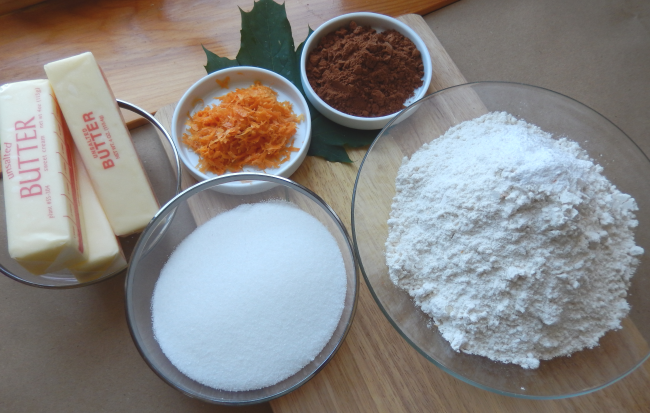
Though I had got a spritz cookie maker as a present, a while back, it is only last week that I decided to try it out. So on a warm Sunday afternoon, I gathered together the ingredients for a classic butter cookie recipe.

SK-ingredients2

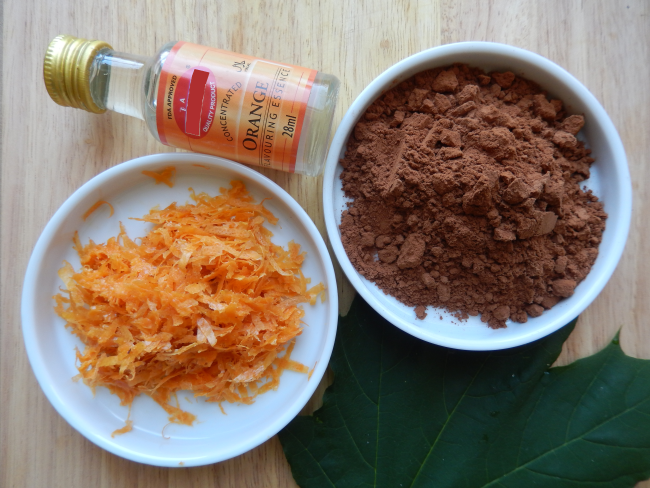
Two batches… one orange flavoured and one chocolate. That was my plan. And I would use two different disks for each batch.

SK-ingredients3

I could already see them sitting on a plate, the light coloured with the dark, studded with multi-coloured sugar crystals.

SK-ingredients

For the first batch – orange flavoured – I selected a simple five petaled flower pattern. Mixed the dough to a nice pliable consistency, filled the cookie maker. Set the oven to pre-heat. Took out the cookie sheet and placed a fitting piece of parchment on it. And started pressing the cookies. Alas… the cookies totally refused to co-operate!

Instead of staying on the cookie sheet and forming a nice shape, the pressed cookie rose with the cookie maker! Every time I pressed it down, the dough came out dutifully, but the cookie refused to stay down… to the point that I had a lump of cookie dough at the end of the cookie maker and a few bits on the cookie sheet! I was aghast! I, who has mastered pinwheels and Florentines and macaroons… failing miserably with some basic pressed cookies!
Setting lamentations aside, I turned my attention to salvaging the situation. After pressing each cookie, I carefully cut it off with a sharp knife. Okay, now I can see the flower shape and there are cookies on the cookie sheet.

SK-cookies-on-pan

The first batch came out of the oven… and to my great relief, they tasted good.

SK-cookie-rack

And in a rustic way, the cookies looked good too. A pinch of sugar crystals while they are still hot on the rack, made them actually look pretty smart.

SK-cookie1

Somehow, with the workaround, I was able to finish making the cookies, though it took a bit of time. Of course, I had to abandon the idea of the second batch of chocolate flavoured ones. No sense in lengthening the misery, right?

SK-cookies-on-plate

After all the cookies were done and photographed and distributed to friends (along with the story, of course!), I still was wondering what went wrong. And I went back to the directions that came with the cookie maker. The instructions were to use an ungreased cookie sheet. And it struck me right away… no wonder the cookies were not staying down on the sheet! They were supposed to stick to the sheet and here I was pressing the cookies on parchment that nothing sticks to! That was one moment when I felt the need for some facility to kick oneself… 🙂


~Ria

Spritz Butter Cookies
 
Author: 
Recipe type: Cookies
Ingredients
  • 3 cups all-purpose flour
  • 1 teaspoon baking powder
  • A pinch of salt
  • 1½ cups butter, softened
  • 1 cup granulated sugar
  • 1 egg
  • 2 tablespoons cream or milk
  • 1 tsp vanilla extract
  • 1 tsp orange essence
  • 1 tbsp orange zest
Directions
  1. Preheat oven to 350º fahrenheit.
  2. Sieve together flour, baking powder and salt.
  3. In a mixing bowl, beat the butter and sugar till light and fluffy.
  4. Add the egg and beat thoroughly.
  5. Add the cream (or milk), vanilla extract and orange essence.
  6. Add the orange zest and combine well.
  7. Add the flour to the mix, in batches, and mix well, gently. The dough should be pliable but not too loose. Do not chill the dough.
  8. Insert the pattern disk you want to use in the cookie maker and tighten the bottom.
  9. Fill the cookie maker with the dough and attach the top.
  10. Place the bottom of the cookie maker on an UNGREASED cookie sheet, and press down to shape the cookie.
  11. Lift up and repeat the process. The cookies can be placed at a distance of one and a half inches.
  12. Bake till the edges of the cookies turn light brown. This will take 10 to 12 minutes.
  13. Place the cookies on a cooling rack and sprinkle the center of each cookie with coloured sugar crystals.
  14. Store in airtight containers when completely cool.

Moulded Green Chicken Salad

Has it ever happened to you that you decide you need to make some changes to your life style and buy stuff to support that decision? And a while later, end up with stuff you wonder what to do with? That is exactly what happened to me with the cans of chicken breast. I decided that I needed to eat more protein and a big pack of them. Soon, very soon I would have to admit, I got fed up with that plan. After all, how much chicken salad or stir fried chicken can you eat? I needed something new to try for that last one can of chicken, before it even got anywhere near the sell-by date.

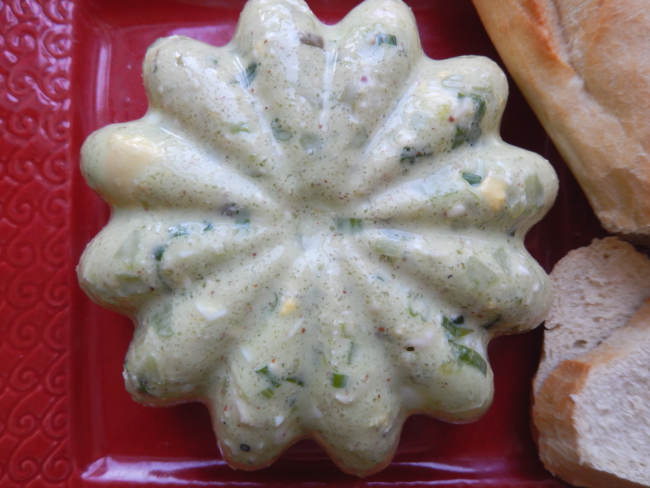
MGCS-slice1

That is when idea struck. I had always liked the look of the moulded salads. Moulded as in ‘prepared in a mould’… not attacked by that green-black stuff that grows on the walls of abandoned houses. What better time to attempt that looking-good-don’t-know-how-it-tastes dish with a can of chicken that I don’t care much about! So two stones, one bird… two birds, one stone… whatever… here I was making a cool moulded chicken salad on a hot summer day.

MGCS-whole2

Of all the pictures I had seen of moulded chicken salads, the ones I like best were green ones. Don’t know why. Maybe because the words ‘green’ and ‘chicken’ are irrevocably associated in my mind. When we were kids, one of our neighbours used to keep chickens. And my little bro used to spot one of the chickens and call it green chicken! At that point, I had no idea that the kid is colour blind! Fortunately, he is in a field of work where there is not much danger of confusing red with green; as a CEO, all the green he cares about doesn’t come in red at all! 🙂

MGCS-whole1

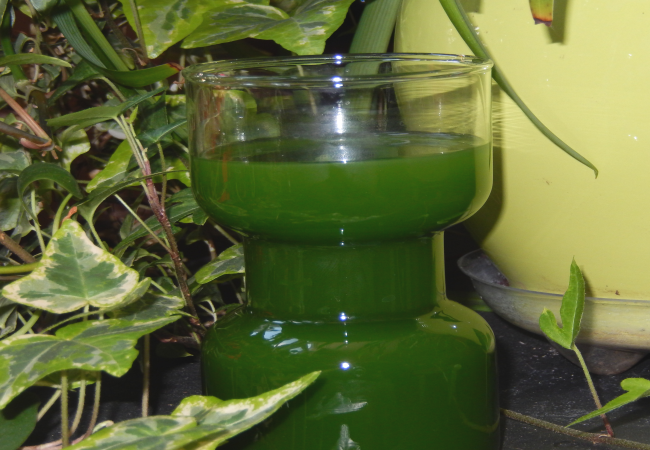
And a pale green very well represents the idea of cool too. Problem right there… I’m totally against using artificial colours for food. What ingredient will give me a pretty green? Spinach, what else! So I blended a few spinach leaves with water and sieved the liquid through a muslin cloth. Tada… instant natural green colouring!

MGCS-green-juice

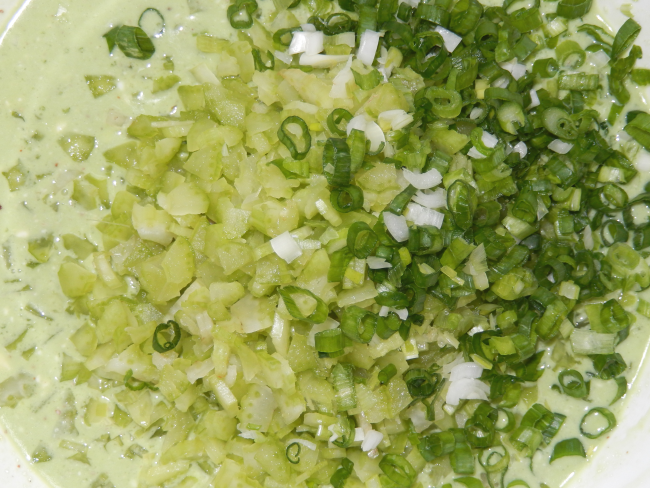
With that problem solved, it was easy to zero in on the rest of the ingredients. Of course, celery… what is a chicken salad without celery? And scallions for that extra shade of green… pickled jalapenos to add a bit of spice. A few artichoke hearts, from a jar, for a hint of tanginess. And as I didn’t want to go too strong on the chicken, a few boiled eggs to add body. A bit of mayo to give it creaminess and gelatine to keep it all together. It’s all done!

MGCS-ingredients

Once you have finalized the ingredient list, it’s quite simple… Just prepare the base by mixing the gelatine with the juice and mayo. And add the rest of the ingredients and mix thoroughly, but gently.

MGCS-celery-scallion

Pour the mix into a mould and keep in the refrigerator, covered with cling wrap, at least for three hours. And there you go… slice and serve with toasted baguette slices. A perfect Sunday lunch!

MGCS-in-the-mould

I have to say… this dish turned as a total surprise! It had that cool look and a taste to match. Very refreshing and extremely tasty!

MGCS-slice2


~Ria


Moulded Green Chicken Salad
 
Author: 
Recipe type: Salad
Ingredients
  • 12 oz canned chicken breast
  • 4 eggs
  • 4 celery ribs
  • 1 bunch (at least 4 in a bunch) scallions
  • 4 artichoke hearts, pickled in oil
  • 1 tbsp pickled jalapenos
  • ½ cup fresh spinach leaves
  • ¾ cup olive oil mayonnaise
  • 3 ¼ oz envelopes unflavoured gelatine
  • Salt and black pepper to taste
Directions
  1. Boil the eggs till firm, around three minutes. Peel and chop them into bite size pieces and keep aside.
  2. Chop the celery ribs into small pieces.
  3. Thinly slice the artichoke hearts.
  4. Mince the jalapenos roughly.
  5. Blend the spinach leaves with one cups of water. When thoroughly ground, sieve the liquid through a fine meshed sieve overlaid with a muslin cloth. Add enough water to make up to two cups of green juice.
  6. Sprinkle the gelatine over the green juice. Let stay unstirred for five minutes.
  7. Beat the gelatine into the green juice till well mixed and no grains of gelatine remain.
  8. Add the mayonnaise to the green juice and mix well.
  9. Add the remaining ingredients one by one, to the green mix and stir gently after each addition.
  10. Season with salt and freshly ground black pepper as required.
  11. Mix well and pour into a five cup mould.
  12. Cover the mould with cling wrap.
  13. Place in the refrigerator for at least three hours.
  14. When it time to serve, unmould the salad by placing the mould in warm water up to to the brim.
  15. Place a plate on top of the mould and turn upside down. The salad will slide onto the plate.
  16. Serve with toasted baguette slices. Perfect for lunch on a hot summer day!

Taste of Times Square

Taste of Times Square is an annual food and music festival held, of course in Times Square, at the beginning of summer. Around 50 restaurants serving food from all over the world, put up stalls along two blocks of 46th Street between Broadway and 9th Avenue. Held by the Times Square Alliance, this year marks the 20th Taste of times Square event.

ToTS-Cake

Times Square area is home to 300+ restaurants, 30 new ones opening just within the last year. The best part of it is that whatever kind of food you are looking for to fit whatever budget, you will find it here. If Restaurant Row, 46th St between 8th and 9th Avenues, is the place to go for restaurants run by celebrity chefs, along Broadway you will find food carts peddling their specialities for as little as five dollars! In short, you can have a satisfying meal in Times square regardless of your tastes or the heft of your wallet!

ToTS-map

This year, 42 restaurants participated in the event. Tickets are sold ahead of the event and at a number of ticket booths at the event itself. Each ticket costs a dollar, and you pay anywhere from one to four tickets for each item. The name Taste of Times Square is meaningful in that one gets to taste a lot of stuff.

ToTS-food

A wide variety of cuisines were represented among the stalls. And of course, some of them were more popular than others, evidenced by the long lines of prospective customers. There were lots of stuff to drink as well. However, alcoholic drinks are not sold at the event.

ToTS-grill

The stalls vie with each other in the stall decorations, even though the space is pretty much limited. From craved watermelons to skulls, the decorations were eye catching.

ToTS-decor

Restaurant stalls owned by chefs with name recognition, also display books, CDs, and other merchandise. As many of the stalls are right in front of their restaurants, you can go in and buy the merchandise if you are so inclined.

ToTS-merchandise

And bands and individual players entertained the crowds with different types of music. People stopped and listened, munching their food.

ToTS-music

Most impressive was the Cross Roads drum circle, with participating drums from all over the world. Anyone interested could go and take a seat and pick up the drums. There were many young children who seemed rather skilled. It was hard to tell who were more enthusiastic… the drum master or the participants!

ToTS-drum-circle

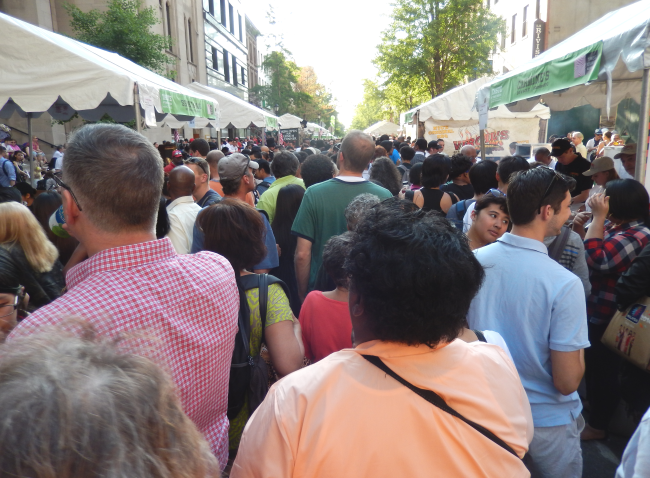
As the salt mines I work at is located right in the middle of Times Square, my friend and I made it a point to be present before the opening time of 5 pm. That gave us a chance to reconnoitre the stalls and decide on what we wanted to try before the crowds descended. And it was a wise decision too. The place was like an ocean of humanity in no time!

ToTS-crowds

We tried jambalaya, empanadas, bread pudding, kobe sliders, layered chocolate cake (remembered from last year’s event), quesadillas, and flans. Believe me, there were a few more items I wanted to try, but this was all I could do. And though there were many salad options going – a roasted beet salad and a chick pea salad really looked interesting – but on this occasion I totally decided to look away from them.

ToTS-watermelon

By the time we had our fill and were leaving, the crowds were still arriving. We were talking how it rained and poured during last year’s event. This year, it was sunny and bright with the temp in mid-eighties. How is it going to be next year? Who knows… but Times Square, it’s a date!


~Ria